Symptoms of vitamin B12 deficiency that should never be ignored

Movement problems
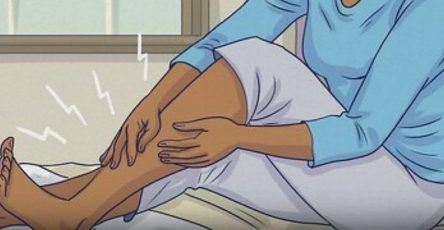
Movement problems are a direct consequence of damage to the peripheral nerves caused by a vitamin B12 deficiency. This damage can impair the ability to run, walk, or even move normally. In severe cases, the feet and limbs can become numb, weak, and unable to bear weight. Reflexes may also be affected. To prevent these problems, it is important to consume foods rich in vitamin B12, such as beef liver, chicken, fish, and eggs, and to take a vitamin B12 supplement if necessary.

Headaches
Frequent headaches can be a sign of vitamin B12 deficiency. This deficiency can cause various neurological side effects, with headaches being one of the most common. Research has shown that people who frequently complain of headaches often have low levels of vitamin B12. A 2019 study found that half of the women who suffered from migraines had low B12 levels. While more research is needed to determine whether vitamin B12 treatment can improve migraine symptoms, preliminary results are promising.

Irregular heartbeat
A rapid or irregular heartbeat, known as tachycardia, can occur with a vitamin B12 deficiency. Low B12 levels can lead to megaloblastic anemia, causing dizziness, fatigue, loss of appetite, and heart palpitations. Palpitations occur when the heart beats irregularly, which can be very uncomfortable and sometimes alarming. A vitamin B12 deficiency can, in the long term, damage the heart muscle or even lead to cardiac enlargement. Therefore, increasing vitamin B12 intake is crucial for maintaining heart health.